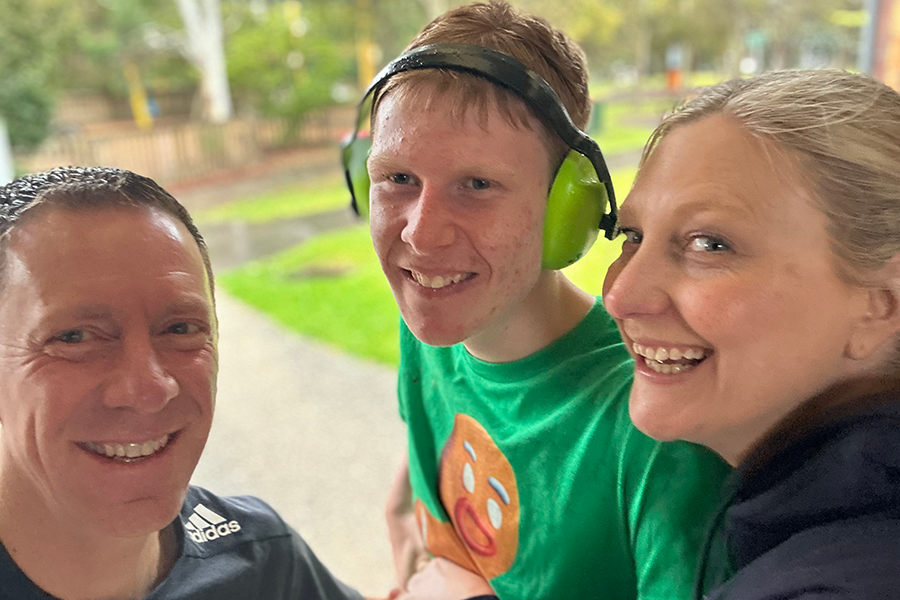


Making Christmas bright for your family
Christmas can be joyful, meaningful and memorable. It can also be loud, busy and overwhelming, particularly for autistic children and their families.
Bright lights, disrupted routines, unfamiliar foods and social expectations can create stress during the holiday season. With thoughtful planning and flexibility, it is possible to celebrate Christmas in ways that support your autistic child and protect your family’s wellbeing.
This guide shares practical, autism-friendly strategies to help your family experience a calmer, more enjoyable Christmas.
Plan ahead for a calmer Christmas
Planning ahead is one of the most effective ways to reduce Christmas stress for autistic children.
Start by looking at your holiday schedule and deciding how much social activity your family can realistically manage. For some families, that may be a short visit each day. For others, it may mean spacing events out or choosing just one or two key gatherings.
Where possible, involve your autistic child or young person in Christmas planning. Giving them choices about activities, timing or location helps build predictability and reduces anxiety. When children feel heard, they are often more comfortable engaging in ways that feel safe for them.
It is also okay if plans change. Having a flexible mindset can make the day easier for everyone.
Christmas meals can be challenging for autistic children due to sensory sensitivities, food preferences and social expectations. Preparation can help ease pressure. Talk with your child ahead of time about what the day might involve and what food options may be available. Clear expectations reduce uncertainty.
If you are visiting others, consider letting family or friends know about your child’s needs in advance. Many families find it helpful to bring familiar or preferred foods so their child always has something they feel comfortable eating.
This is not about being difficult. It is about ensuring your child can participate in the day without distress.
Have a backup plan as well. This may include:
- Familiar snacks
- A favourite sensory item
- Access to a quiet space
- Leaving early if needed is a reasonable and responsible choice.
Maintain routines where possible
Routine supports emotional regulation, especially during busy periods like Christmas.
While some change is unavoidable, keeping parts of your usual routine can help your autistic child feel grounded. This may include:
- Regular mealtimes
- Familiar daily activities
- Continued therapy exercises at home
Sleep routines matter too. Aim to keep bedtimes and wake-up times as consistent as possible for everyone in the household. Good sleep supports regulation, patience and resilience for children and adults alike.
Set boundaries around social expectations
The end of the year often brings multiple invitations, school events and family commitments. It is okay to say no.
Autistic individuals may need additional recovery time after social interactions, and carers do as well. Over-scheduling can lead to exhaustion and overwhelm.
Setting boundaries is an act of care. You do not need to attend every event or meet every expectation. Choose what genuinely supports your family’s wellbeing.
Adapt Christmas traditions to suit your family
There is no single “right” way to celebrate Christmas.
If traditional activities are not enjoyable or accessible for your autistic child, small adjustments can make a meaningful difference. This might include:
- Avoiding flashing or decorative lights
- Choosing familiar music instead of loud carols
- Creating a quieter Christmas morning
Other family members can still experience joy, while your autistic child feels safe and respected. What matters most is that Christmas feels comfortable, positive and inclusive for your family.
Frequently Asked Questions
How can I make Christmas less overwhelming for my autistic child?
Reducing sensory input, planning ahead, maintaining routines and allowing flexible participation can all help lower stress during the Christmas period.
Is it okay to skip Christmas events?
Yes. It is completely appropriate to decline events that feel overwhelming or draining. Prioritising your child’s wellbeing is always the right decision.
Should I bring my child’s own food to Christmas gatherings?
Many families do. Bringing familiar foods ensures your autistic child has safe options and can engage with the day more comfortably.
How do I explain our needs to extended family?
Clear, calm communication before the event often helps. Focus on what supports your child rather than what they cannot do.
A final thought
Christmas does not need to look a certain way to be meaningful.
By planning thoughtfully, maintaining routines and setting clear boundaries, you can create a holiday that respects your autistic child’s needs and supports your family as a whole.
A Christmas that feels safe, manageable and kind is a Christmas done well.